



Testing Water for Microbial Contamination
Adapted in part from information from Viqua, a leading manufacturer of ultraviolet treatment equipment.
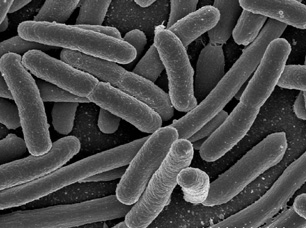
Scientists have long understood the link between unseen contaminants in water and illnesses. In the 1900s, filtration and treatment became mainstays for municipal water, and regulations for the quality of public drinking water systems were established. Health authorities consider the introduction of water chlorination to be perhaps the most significant advance in public health made in the 20th century.
If your water is supplied by a municipality, large or small, the water supply is tested routinely, at the source. However, many pipes buried underneath our roads and cities have been in place since the introduction of widespread water treatment and are long past the time when they should have been replaced. This aged and often crumbling infrastructure now poses its own risk, which is why it’s smart to test the water where it is used. Even with city water, microbial contamination can occur between the water treatment plant and your home.
But what if your water comes from a private water supply, such as a well, lake water, or even a rainwater tank? In these cases, no one is testing the water unless you are. It’s possible that your water was tested when the well was drilled or when the property was purchased, but microbial water quality changes over time and can be affected by extreme weather events, land-use changes, or a nearby failing septic system.
Many water contaminants cannot be seen or even tasted in water, so the only way to be sure of the quality of your water supply is to test it. Even if the presence of a particular contaminant is readily apparent, such as the red-colored stains left by iron on fixtures, getting the water tested will quantify the problem, making the best water treatment choice easier.
Private water system users are solely responsible for the quality of their water. Public health authorities recommend that private well owners test for bacteria and nitrates at least once a year. Other contaminants, such as hardness, iron, or radon, may only need to be tested once. This testing frequency depends on the prevalence of naturally occurring substances in the area’s groundwater. Probably if you have experienced one of the following events, you should have your water tested soon:
• The water’s color, taste, or odor changed.
• Someone in the family has a weak immune system from an illness, medical treatment, or age.
• Someone who drank your tap water had an unexplained gastrointestinal illness.
• You moved into a new home.
For well owners, water should be tested at the wellhead at least once a year. The test sample should be taken before any water treatment equipment. Well water should also be tested whenever any work is done on the well or whenever any need for water treatment is suspected. Any change in taste or odor is a sign that a test should be performed. A test should also be done at intervals to test the efficacy of installed equipment. Testing for hardness, for example, will tell you how well your water softener is working. Likewise, a bacteria test will tell you if any disinfection equipment you have in place is working properly.
Total Coliform Bacteria
The most important measurement result for bacteria testing is called TC, which stands for Total Coliform Bacteria. Coliform bacteria occur naturally in soil and decaying vegetation. They are associated with the presence of human or animal fecal contamination. While many coliform organisms are completely harmless, some, like E. coli, can make people sick and even be deadly. The usual practice is to test for coliform and if coliform is present in significant numbers, test for E. coli. Presence of E. coli is a definite indication that treatment is needed. Water with E. coli should not be consumed unless it is boiled or otherwise treated.
Treating Contaminated Water in the Home
There are several good strategies for treating microbes in water, but the most widely used for permanent residential whole house treatment are chlorination and ultraviolet. Of the two, ultraviolet (UV) is usually the easiest to apply and the most trouble-free to maintain.
Sources of more information about testing and treatment.
City and county governments usually can provide information and quick and inexpensive testing for bacteria.
There are many excellent professional water tests. Most mail-in tests available do not offer testing for bacteria. Here’s a source from our website. The NTL tests include bacteria along with comprehensive testing for most significant water contamination. National Testing Laboratory Test from Pure Water Products. If you are in a hurry for results, a local test for bacteria is bettter. Typical turn-around time on the NTL test is at least two weeks.
Residential Ultraviolet Units from Viqua.
Dry Pellet Chlorinator, a treatment for microbial contamination in wells.
Chemical Feed Systems that can disinfect water using regular household bleach.

